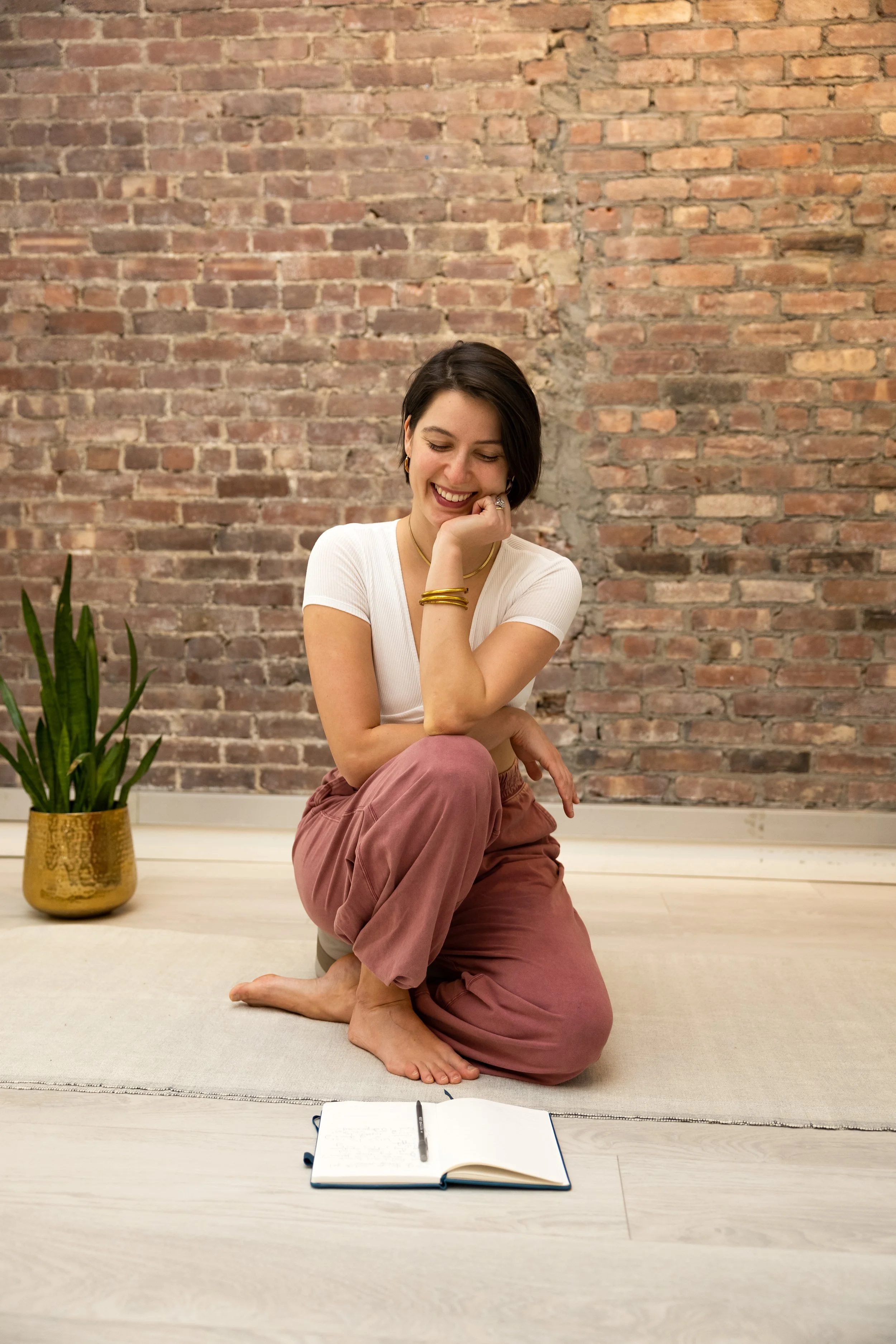
The Embracefull Method
Where the mind really meets the body
A therapist-led movement experience blending psychotherapy, yoga, breath, and embodied exploration.
Led by licensed therapist & certified yoga teacher Francesca Aborn.
The Embracefull Method
Led by licensed therapist Francesca Aborn, The Embracefull Method blends psychotherapy, guided visualization, and movement to support emotional processing through the body.
Each class begins with a combination of therapy-based prompts, guided visualization, journaling, and breath work to help you connect to something real beneath the surface—an emotion, a pattern, a moment, a truth. The specific entry point may shift from class to class depending on the focus of the session.
From there, we move into the body through a mix of vinyasa yoga flow, athletic cardio-based sequences, and free movement. The practice moves between structure, intensity, and open exploration so you can move what you’re feeling rather than perform it.
We continue returning to reflection and embodiment throughout the class, letting mind and body stay in ongoing dialogue.
Where the mind really meets the body.
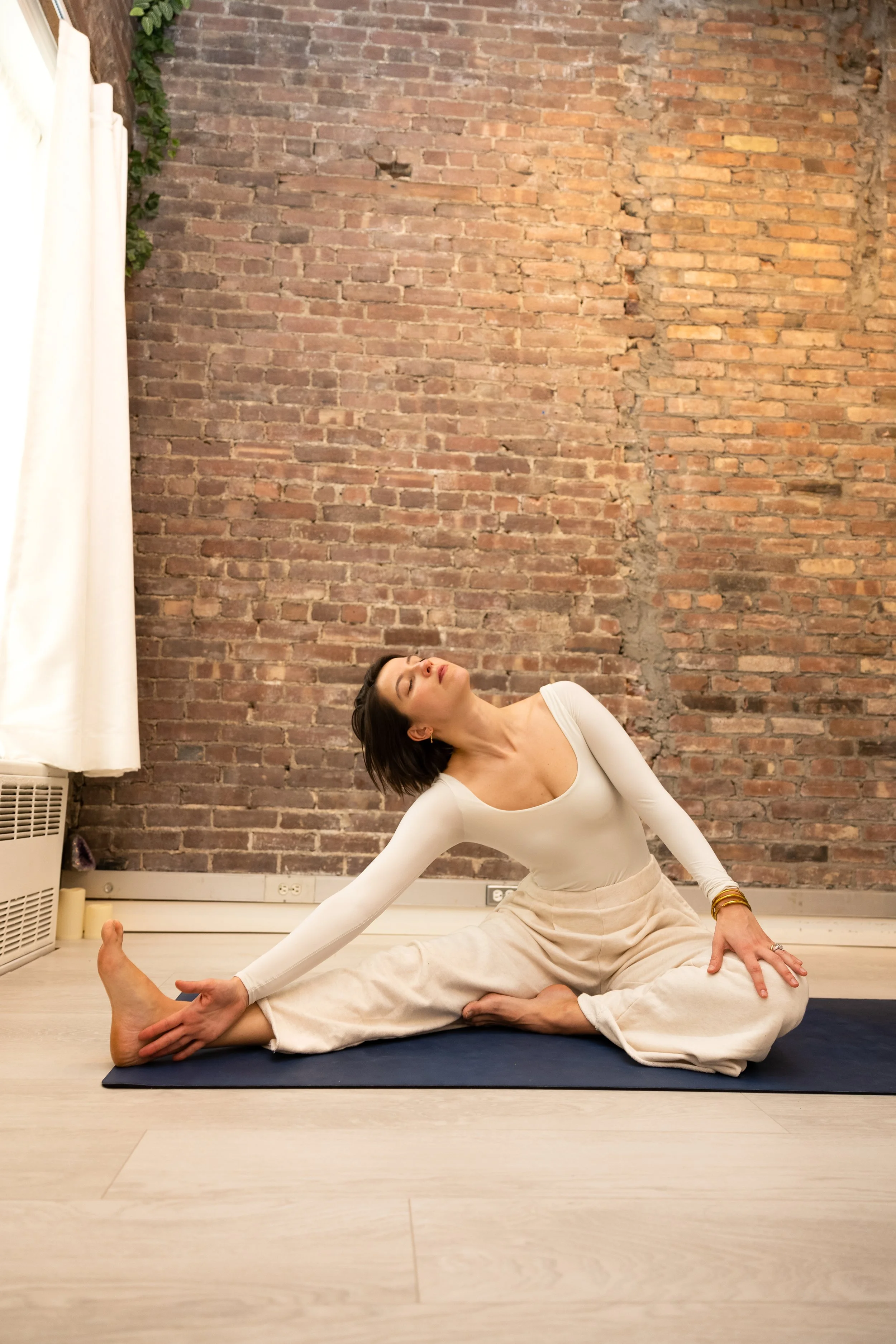
Where the mind really meets the body
Let what moves you, move you
Where the mind really meets the body Let what moves you, move you
Frequently Asked Questions
Still have questions? Take a look at the FAQ or reach out anytime. If you’re feeling ready, go ahead and book your class.
Class occurs every Wednesday at 7:30am at 119 West 57th street suite 1006, New York, NY 10019
-
Classes are 75 minutes. This allows space for both therapy-based exercises and movement, giving enough time to move between reflection, embodiment, and integration without feeling rushed.
-
The class takes place in a private, sun-filled therapy office—not a large yoga studio. The space is intimate, calm, and intentionally held to support depth, focus, and internal awareness.
The studio is located at 119 West 57th street, suite 1006.
-
No experience is necessary. You will be guided throughout the class, and everything is offered in a way that supports all levels of familiarity with movement.
-
Yoga mats and props are provided. You are also welcome to bring your own mat if you prefer. Please note, no towels are offered, please bring one if you like.
-
Each class is different in its flow and emphasis. You may move between guided reflection, breathwork, vinyasa-based yoga, more athletic or cardio-based sequences, and free movement. The intention is to stay in connection with your internal experience while moving through it.
-
It is a hybrid experience led by a licensed therapist and certified yoga teacher. It is not group therapy, but it is therapeutically informed and designed to support emotional awareness and processing through the body.
-
No. Any reflection is personal and internal. You are never required to share out loud.
-
Comfortable clothing you can move in, water, a journal and pen for if we journal and anything you need to feel supported.Please note that this is a shoes off class.
-
Because of the nature of the experience, late entry is not recommended. Please plan to arrive a few minutes early to settle in.
-
Yes. There is a private waiting room that can be used for changing if needed.
-
No. However, there are bathrooms located just down the hall for use before or after class.
-
Currently, all group work is offered in person only. If you’re interested in booking a private session, virtual sessions can be provided.
The Embracefull Method Story
The Embracefull Method grew out of what I was witnessing in the therapy room.
People were gaining insight and understanding themselves more deeply, yet their bodies were still often responding in the same familiar ways. I began to see a gap between awareness and lived, embodied change.
At the same time, I noticed how much was trying to be expressed beyond words—through sensation, breath, posture, and movement.
This work emerged from that space.
A practice of bringing people into real-time relationship with themselves, where they can listen to the body as it speaks, respond as patterns arise, and move what language alone cannot always reach.
It’s about learning to stay in dialogue with yourself—so emotions are not just understood, but processed, expressed, and moved through the body.